



As we step into 2026, the real estate landscape is evolving faster than ever. Economic shifts, interest rate adjustments, demographic changes, and technological innovations are reshaping the way investors buy, sell, and manage properties.
The U.S. housing market has weathered inflationary pressures, tight inventory, and fluctuating mortgage rates yet remains one of the most powerful wealth-building vehicles for investors. But the question every investor asks today is: Where is real estate heading in 2026, and how can I position myself to maximize returns?
In this comprehensive outlook, we’ll cover:
2026 economic and housing market forecasts
Rental market dynamics (long-term & short-term)
Key metro areas and neighborhoods to watch
How technology, AI, and remote work are shaping demand
Risks investors should prepare for
The role of calculators, data, and tools in investment decisions
The Economic Backdrop: Entering 2026
Mortgage Rates & Financing
After peaking in the early 2020s, mortgage rates stabilized in 2024–2025, and experts project 5.25%–6% average 30-year fixed rates through 2026.
This creates both opportunities (refinancing, leverage) and challenges (higher entry costs).
Inflation & Construction Costs
Inflation has cooled compared to 2022 highs, but construction and labor costs remain elevated, limiting new supply.
Investors holding existing properties benefit from scarcity-driven appreciation.
Demographic Drivers
Millennials are now the largest home-buying generation.
Remote workers & digital nomads continue fueling demand in secondary and lifestyle markets (Miami, Austin, Nashville).
Boomers are downsizing, adding inventory in some suburban markets.
Rental Market Outlook 2026
Long-Term Rentals
With housing affordability stretched, rental demand will remain strong in 2026.
Average U.S. rents are projected to grow 3–5% annually, with Sunbelt metros outperforming.
Institutional investors (like Blackstone) will continue buying single-family rentals, keeping competition high.
Short-Term Rentals (STRs)
STRs (Airbnb, Vrbo) remain profitable, but local regulations will continue shaping where investors can operate.
In 2026, high-demand STR markets include:
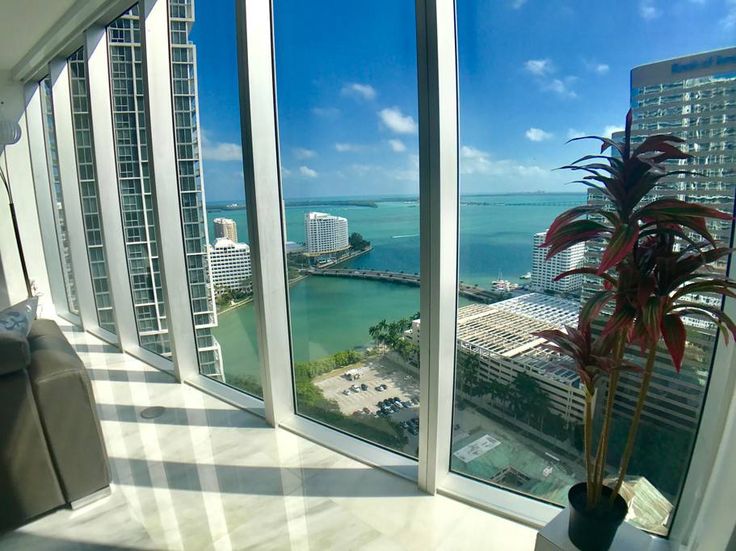
Miami & South Florida
Scottsdale & Phoenix
Nashville
Mountain towns (Aspen, Park City, Lake Tahoe)
Top Markets to Watch in 2026
1. Miami & South Florida
International demand + limited land = long-term appreciation.
Coral Gables & Coconut Grove (premium buy-and-hold markets).
Fort Lauderdale & Hollywood (short-term rental hotspots).
2. Austin, Texas
Tech jobs rebound and relocation trends boost demand.
Strong rental yields despite high property taxes.
3. Nashville, Tennessee
Music City thrives with tourism + corporate relocations.
STR-friendly zones make it an investor magnet.
4. Phoenix & Scottsdale, Arizona
Population inflows + affordability vs California.
STR demand continues thanks to events and snowbirds.
5. Denver & Mountain West
Lifestyle migration fuels housing demand.
Limited supply in mountain towns = appreciation.
Technology & AI in Real Estate 2026
AI-Powered Property Analysis: Tools like ROI calculators and predictive analytics guide smarter buying.
Virtual Transactions: More buyers will purchase homes without physical showings.
Smart Homes: Energy-efficient and AI-integrated homes command rental premiums.
Blockchain & Tokenization: Real estate syndication via blockchain opens access to fractional investing.
Risks to Watch in 2026
Regulatory Risk: Short-term rental restrictions continue to expand.
Climate Risk: Rising insurance premiums in coastal and wildfire-prone zones.
Affordability Crisis: Price/rent disconnect could push political pressure for rent caps in certain states.
Interest Rate Volatility: Any unexpected hikes could stall appreciation.
Investment Strategies for 2026
1. Buy-and-Hold in Premium Markets
Coral Gables, Coconut Grove, West Los Angeles, Boston Suburbs
Focus: Long-term appreciation, stable tenants
2. STR-Driven Cash Flow
Miami, Scottsdale, Nashville
Focus: High nightly rates, but requires active management
3. Value-Add Multifamily
Secondary metros (Cleveland, Kansas City, Raleigh)
Focus: Renovations + repositioning for rent increases
4. Diversification via REITs & Syndications
For passive investors who want exposure without direct management.
Â
ROI Example: 2026 Projections
Let’s compare a $500,000 investment across two strategies:
Long-Term Rental (Austin, TX)
Average rent: $2,900/month
Annual Gross: ~$35,000
ROI after expenses: ~6%
Short-Term Rental (Miami, FL)
Average nightly rate: $325
70% occupancy = ~$83,000/year
ROI after expenses: ~9%
This shows why STRs remain attractive in 2026 but they require regulatory awareness and hands-on management.
Property Calculator Access Point
📊 To truly know where your money performs best in 2026, try our Real Estate ROI Calculator.
👉 With a free sign-up, you’ll get access to:
Side-by-side projections for long-term vs short-term rentals
Cap rate, cash-on-cash, and appreciation forecasting
Customizable data based on YOUR market & property budget
Final Thoughts: Outlook for 2026 Investors
The real estate market of 2026 offers a balancing act: steady appreciation in premium neighborhoods, lucrative cash flow in STR-friendly zones, and rising risks from regulation and climate.
Smart investors will:
Focus on markets with demographic tailwinds
Embrace technology and calculators for data-driven decisions
Stay flexible between buy-and-hold and STR strategies
Factor in risk management (insurance, diversification, regulation)
The opportunities are huge but the winners of 2026 will be the investors who adapt to change, leverage data, and act with discipline.